Color and Texture Diversity
Include a range of colors and textures across your week to encourage food group variety without counting or tracking.
Educational principles behind balanced weekly meal structures and how to apply flexible planning ideas to your routine.
Educational Content Only: This guide is for general meal planning education. It is not medical or dietary advice. Consult a qualified professional before changing your eating habits.
A balanced week is not about rigid portion rules or fixed schedules. It is about creating an organized approach where each meal fits into an overall weekly plan.
Start by identifying your natural eating patterns. Notice which days feel structured and which feel open. This awareness becomes the foundation for adaptive planning.
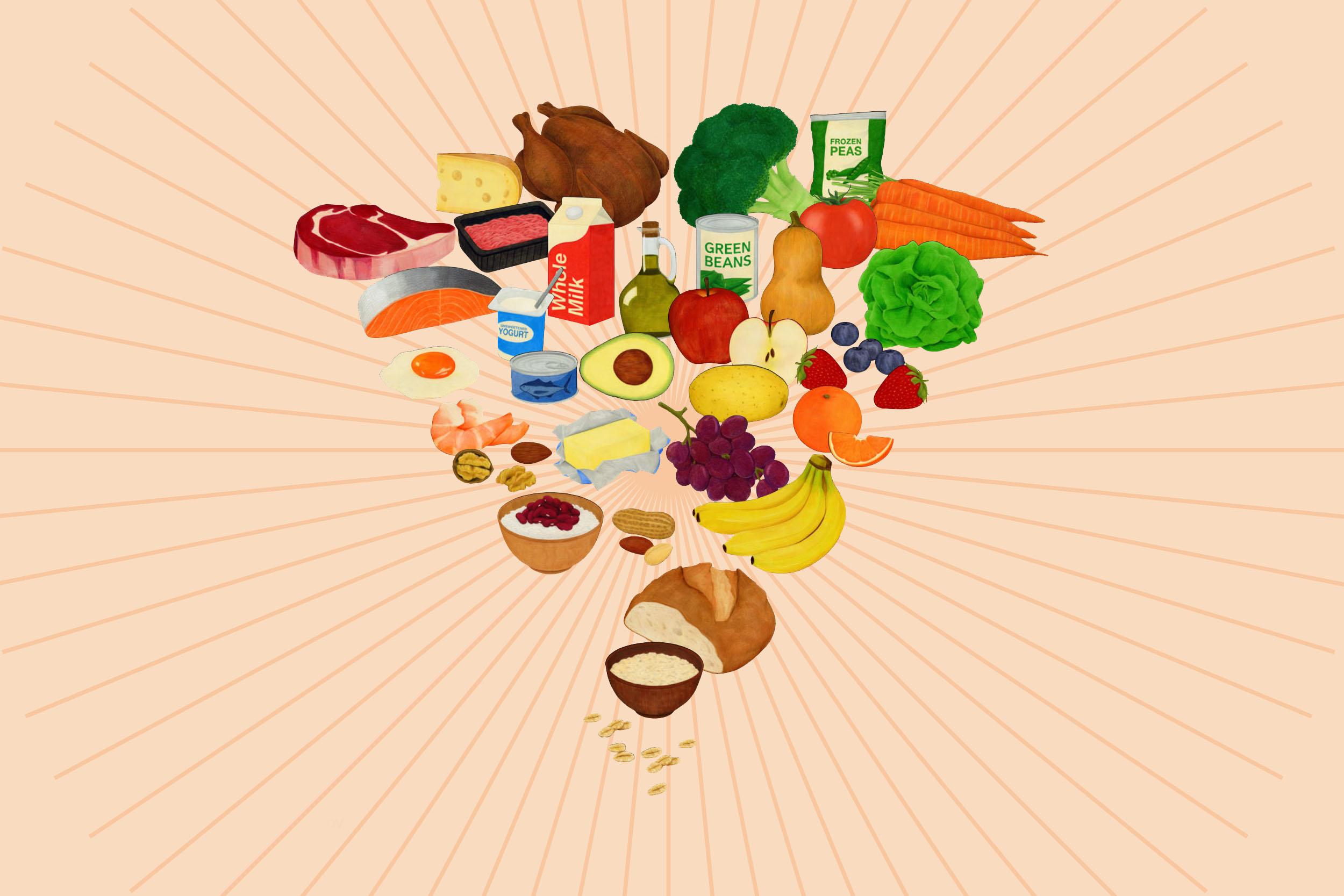
These four principles shape our educational approach to weekly meal organization.
Include a range of colors and textures across your week to encourage food group variety without counting or tracking.
Spread food groups evenly throughout the week rather than concentrating them on single days, supporting a steady weekly meal rhythm.
Design meals as modular components that can be recombined, reducing preparation complexity while maintaining variety.
Honor personal tastes and cultural food traditions as integral parts of balance, not obstacles to overcome.
A practical framework for organizing seven days of meals with built-in flexibility.
Select two to three days with predictable schedules. These become your consistency anchors with familiar, reliable meal structures.
Designate days with variable schedules as flex zones. Prepare modular components that adapt to different time constraints.
At the end of each week, note what felt balanced and what needs adjustment. Let the system evolve with your life.
Use our grocery list builder to translate your weekly structure into a practical shopping plan.
Open Grocery Builder